With the New Global project, we have had the chance to take on very difficult challenges - poverty, climate change and resource scarcity - and experiment with finding practical solutions. It has been a unique opportunity for learning, and we want to share our experience.
Global sustainability challenges might feel overwhelming. At the same time, the vision of a more sustainable world is increasingly vivid in our minds and hearts, and technical possibilities abound. What remains an obstacle, it seems, is our ability to come together across diverse realities and co-create a sustainable future.
In the New Global project, we have studied multi-stakeholder innovation processes that aim to co-create sustainable solutions with low-income communities. We have identified new roles, new methods and new skills that help these diverse groups collaborate better.
We warmly invite you to explore our learnings, and to continue this work.
Minna Halme, Professor of Sustainability Management, Project Director
Sara Lindman, Ph.D, Project lead and initiator
Development innovation
– ever promising –
but oh-so difficult!
Where New Global has specifically succeeded, is the hands on approach of trying out collaboration methods and platforms and boldly and quickly abandoning models which don’t seem to work and quickly picking up new methods or experimentation.
Jussi Impiö, Founder of Fuzu
IT’S ALL ABOUT
THE SETTING
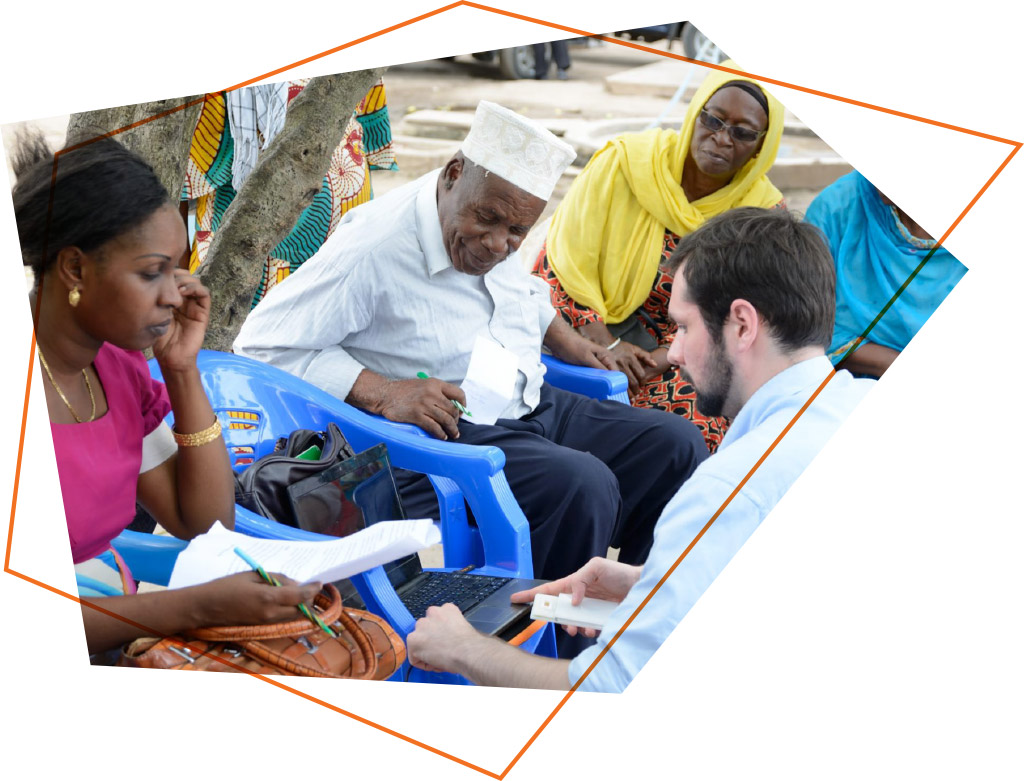
It’s very often about the basic needs of people... because contexts are different, you can’t propose the same idea that worked in Nigerian village to a village in Zambia, because it might not work. Or it may but you don’t know before you test, talk to the locals and do the whole design process together with them.
Sini Numminen, Project Researcher
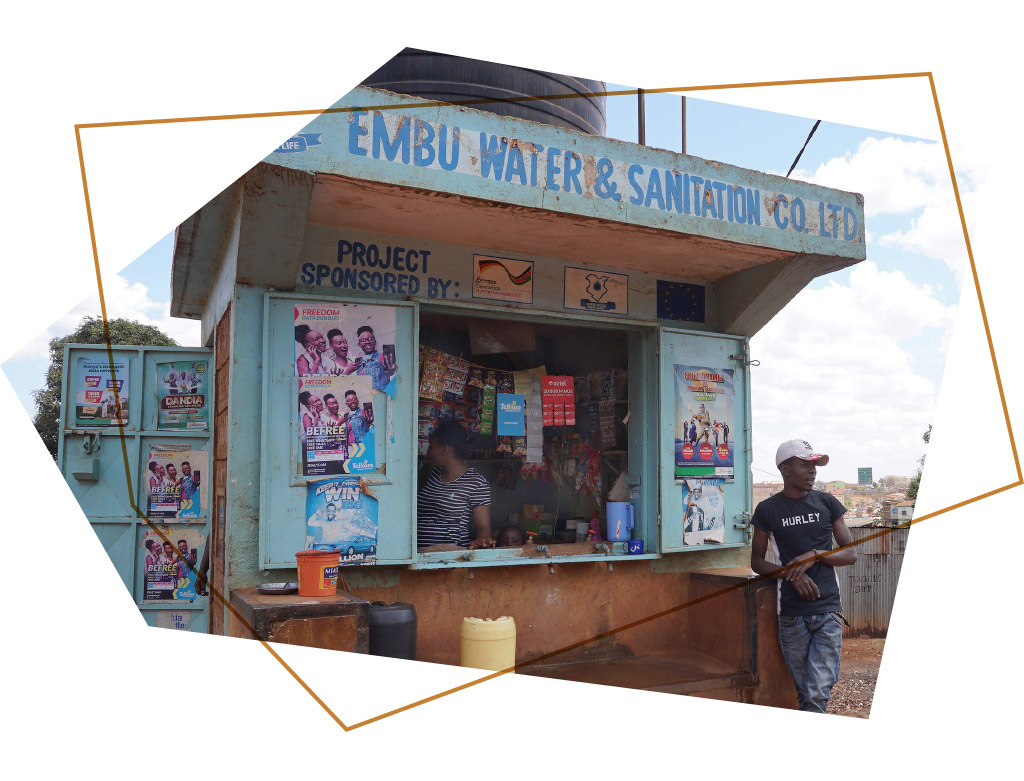
Explore the projects and themes that were designed, tested and tried around the globe:
Chile
Click on the themes to get more information and project links:
Batteries recycling
Chile
<
Batteries recycling
Research on how to create circular economy business models across emerging and mature markets.
See more >
Finland
Click on the themes to get more information and project links:
The New Global research and innovation project is based here.
Finland
<
The New Global research and innovation project is based here.
Reverse Innovation
Finland
<
Reverse Innovation
Research on cases of reverse innovation in Finland.
See Mira Mielonen’s Master thesis >
India
Click on the themes to get more information and project links:
Grassroots innovations
India
<
Grassroots innovations
Research on grassroots entrepreneurs and the organisations that support them.
Learn more from Marleen Wierenga’s PhD >
Design with low-resource communities
India
<
Design with low-resource communities
Collaboration and research on human-centered maternity ward design.
Learn more here >
Distributed renewable energy
Kenya
Click on the themes to get more information and project links:
Energy transition
Kenya
<
Energy transition
Work on the transition to sustainable energy in Nairobi.
See Erika Forstén’s Master thesis >
Innovation intermediation
Kenya
<
Innovation intermediation
Research on new roles in the emerging innovation ecosystem.
For more on innovation intermediation, see Anne Hyvärinen’s PhD >
Water sector innovations
Kenya
<
Water sector innovations
An in-depth study of the Grundfos lifelink work in Kenya – a pioneer in water sector innovation.
For more information, see Anne Hyvärinen’s PhD >
Mexico
Click on the themes to get more information and project links:
Innovation facilitation and problem-based learning
Mexico
<
Innovation facilitation and problem-based learning
Education and innovation collaboration with Tecnológico de Monterrey.
Namibia
Click on the themes to get more information and project links:
Transition to sustainability in energy and water sectors
Namibia
<
Transition to sustainability in energy and water sectors
Collaborative research on sector transition in Namibia. Collaboration with SAMK.
Tanzania
Click on the themes to get more information and project links:
Sustainable and innovative forestry
Tanzania
<
Sustainable and innovative forestry
Research and innovation work. Study on innovation intermediation by the Private Forestry Program in Southern Highlands. Innovation advisory and start-up initiated.
Learn more about the forestry case >
Urban bio-waste to energy
Tanzania
<
Urban bio-waste to energy
Research and company collaboration on urban biowaste to biofuel in Dar es Salaam.
Urban densification and affordable housing
Tanzania
<
Urban densification and affordable housing
The rapid urbanisation in East Africa calls for urban densification and affordable housing. Research on how this can be reached in a co-creative way.
For more information, see Helena Sandman’s PhD on empathic design. >
Affordable housing designs >
Design with low-resource communities
Tanzania
<
Design with low-resource communities
Collaboration and research on human-centred maternity ward design.
Learn more here >
CO-CREATION &
GREAT COINCIDENCES
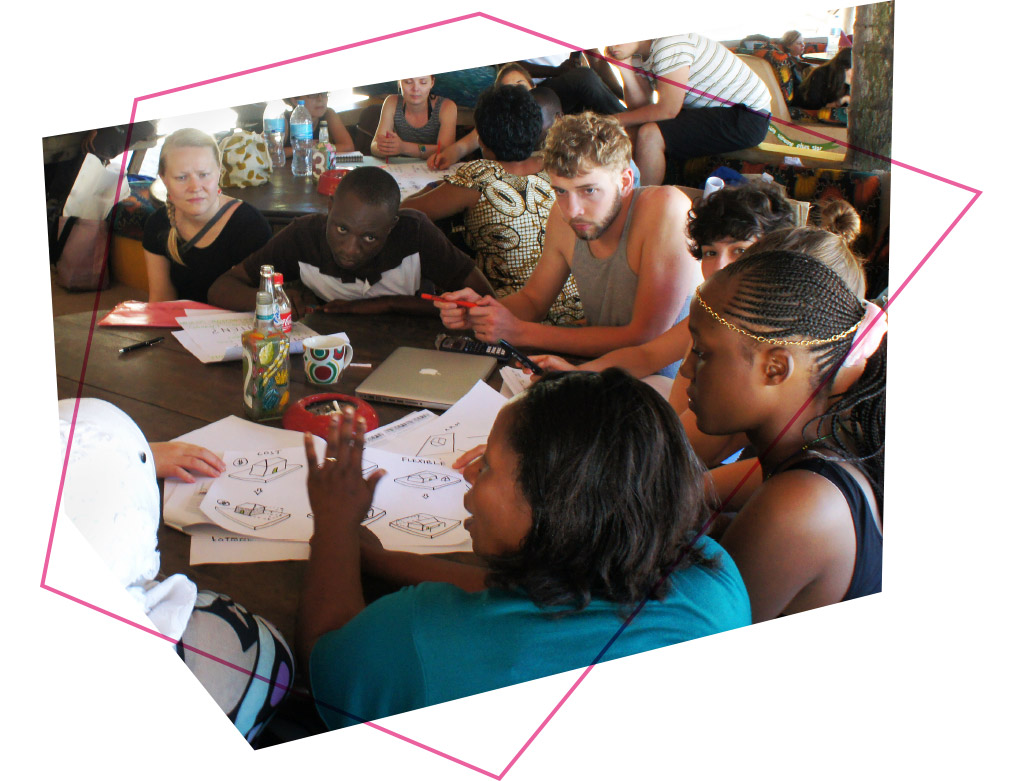
Something that makes it good to work in multidisciplinary themes, is that you can’t know what other people know. You can’t be on the same level in every field of knowledge, so it’s a good practice to be able to show how little you know. And through that there is the possibility for great coincidences and totally new things to come up.
Helena Sandman, Project Researcher
Across the globe for
empathy & understanding
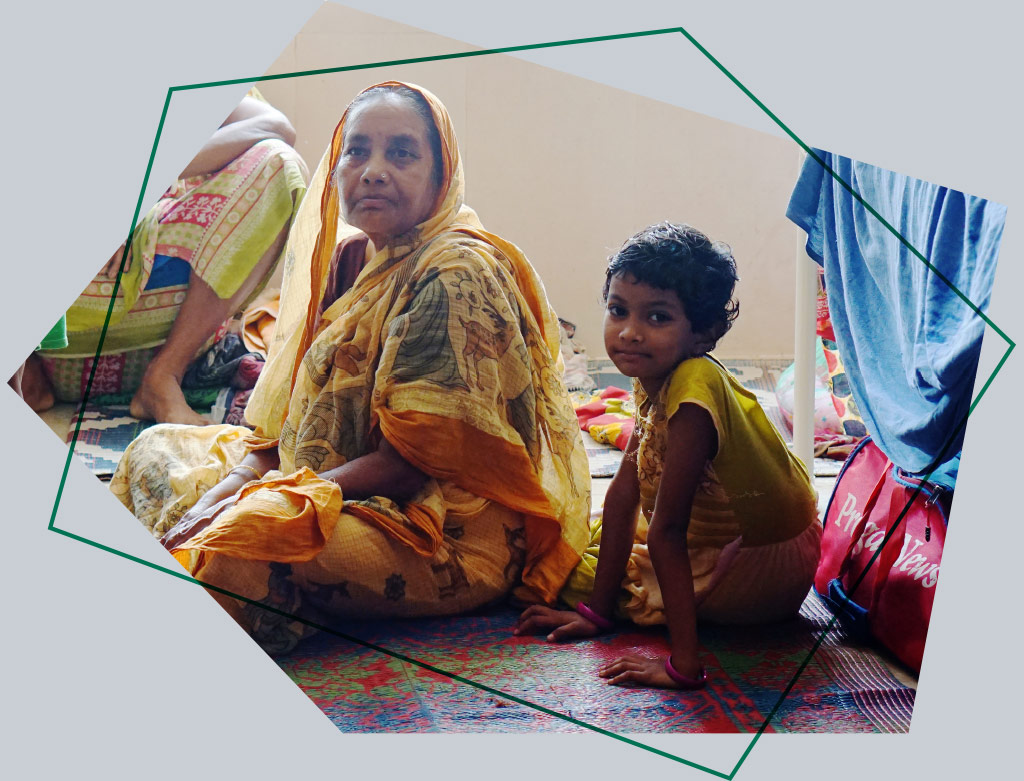
People have fixed ideas about the developing countries that are not true, but are taken as truths. If only people would be braver and more empathetic, we could understand so much more.
Marleen Wierenga, Project Researcher
The New Global project in numbers: